
In the world of currency trading, the role of forex trading brokers cannot be overstated. They are the gatekeepers to the forex market, providing traders access to buying and selling currency pairs. Choosing the right broker can significantly impact your trading success. In this article, we will explore the essentials of forex trading brokers and discuss how to select the ideal one for your trading journey. For more information and resources, visit trading brokers forex https://tradingplatform-hk.com/.
What is a Forex Trading Broker?
A forex trading broker is a financial institution that provides a platform for retail and institutional traders to execute buy and sell orders on currency pairs. Brokers serve as intermediaries between traders and the forex market, offering the necessary tools and features to facilitate efficient trading. They provide access to liquidity, market analysis, and an array of financial instruments.
Types of Forex Brokers
Forex brokers can be categorized into several types based on their business models. Each type serves a different segment of traders, and understanding the difference can help you make an informed choice.
- Market Makers: These brokers create their own market and set prices. They act as the counterparty to their clients’ trades, which means they may profit when their clients lose.
- ECN Brokers: Electronic Communication Network (ECN) brokers connect traders directly to the market and offer raw spreads. They charge a commission on trades and do not take the opposite side of a trade, ensuring transparency.
- STP Brokers: Straight Through Processing (STP) brokers send orders directly to liquidity providers. They typically offer tighter spreads and are usually more reliable than market makers.
- DMA Brokers: Direct Market Access (DMA) brokers allow traders to access the market directly without interference. This type of broker is more suited for professional and institutional traders.
Key Factors to Consider When Choosing a Forex Broker
Selecting the right forex broker involves evaluating several key factors to ensure that the broker meets your trading needs. Here are some crucial aspects to consider:
1. Regulation
One of the most critical factors in choosing a forex broker is its regulatory status. A well-regulated broker operates under strict rules and guidelines, providing added security for your funds. Look for brokers regulated by reputable authorities such as the Financial Conduct Authority (FCA) in the UK, the Commodity Futures Trading Commission (CFTC) in the US, or the Australian Securities and Investments Commission (ASIC).
2. Trading Platform
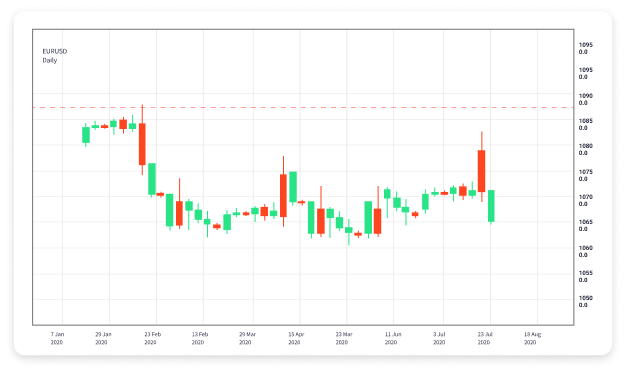
The trading platform is the gateway to the forex market. Ensure that the broker provides a user-friendly and reliable platform that suits your trading style. Popular platforms like MetaTrader 4 (MT4) and MetaTrader 5 (MT5) are widely recognized for their functionality and features.
3. Spreads and Fees
The cost of trading is another essential consideration. Different brokers offer various spreads and commission structures. While some brokers may advertise zero spreads, they may charge higher commissions. Compare the total trading costs to identify a broker that provides value for your trading strategy.
4. Leverage
Leverage allows traders to control larger positions with a smaller amount of capital. However, it also comes with increased risk. Understand the leverage options your chosen broker offers and how it aligns with your risk management strategy. In the forex market, leverage can be as high as 1:500, but it’s crucial to use it responsibly.
5. Customer Support
Reliable customer support is vital, especially for new traders. Ensure that the broker provides multiple channels for support, including live chat, email, and phone. Test their response times and knowledge before committing to an account.
Demo Accounts: A Risk-Free Way to Test the Waters
Most reputable forex brokers offer demo accounts that allow traders to practice trading with virtual funds. This is a risk-free way to test the platform, trading strategies, and market conditions without risking real money. A demo account can be invaluable for both beginners aiming to understand the mechanics of trading and experienced traders looking to test new strategies.
Conclusion
In conclusion, choosing a forex trading broker is a pivotal step in your trading journey. Take the time to research and evaluate brokers based on regulation, trading platform, fees, leverage, and customer support. Whether you are a beginner or an experienced trader, partnering with the right broker can enhance your trading experience and increase your chances of success in the forex market. Always remember to stay informed and continuously educate yourself on market movements to adapt your trading strategies effectively.
Leave a Reply